Lagavulin is recorded among the oldest of the Islay distilleries, and its documented history illustrates how distilling on Scotland's western islands moved from an unlicensed rural activity into a regulated industry during the nineteenth century.
Historical Background
Lagavulin was established in 1816 by John Johnston and Archibald Campbell on the southern coast of Islay. The site had been used for illicit distilling for at least a century before its legal registration, a pattern common across the Hebrides in the period preceding the Excise Act of 1823.
The name derives from the Gaelic "Lag a' Mhuilinn", meaning "the hollow by the mill", a reference to the milling activity that historically occupied the bay. Records from the nineteenth century describe several small distilling operations in the vicinity that were later consolidated into a single organised enterprise.
Geographical Origin
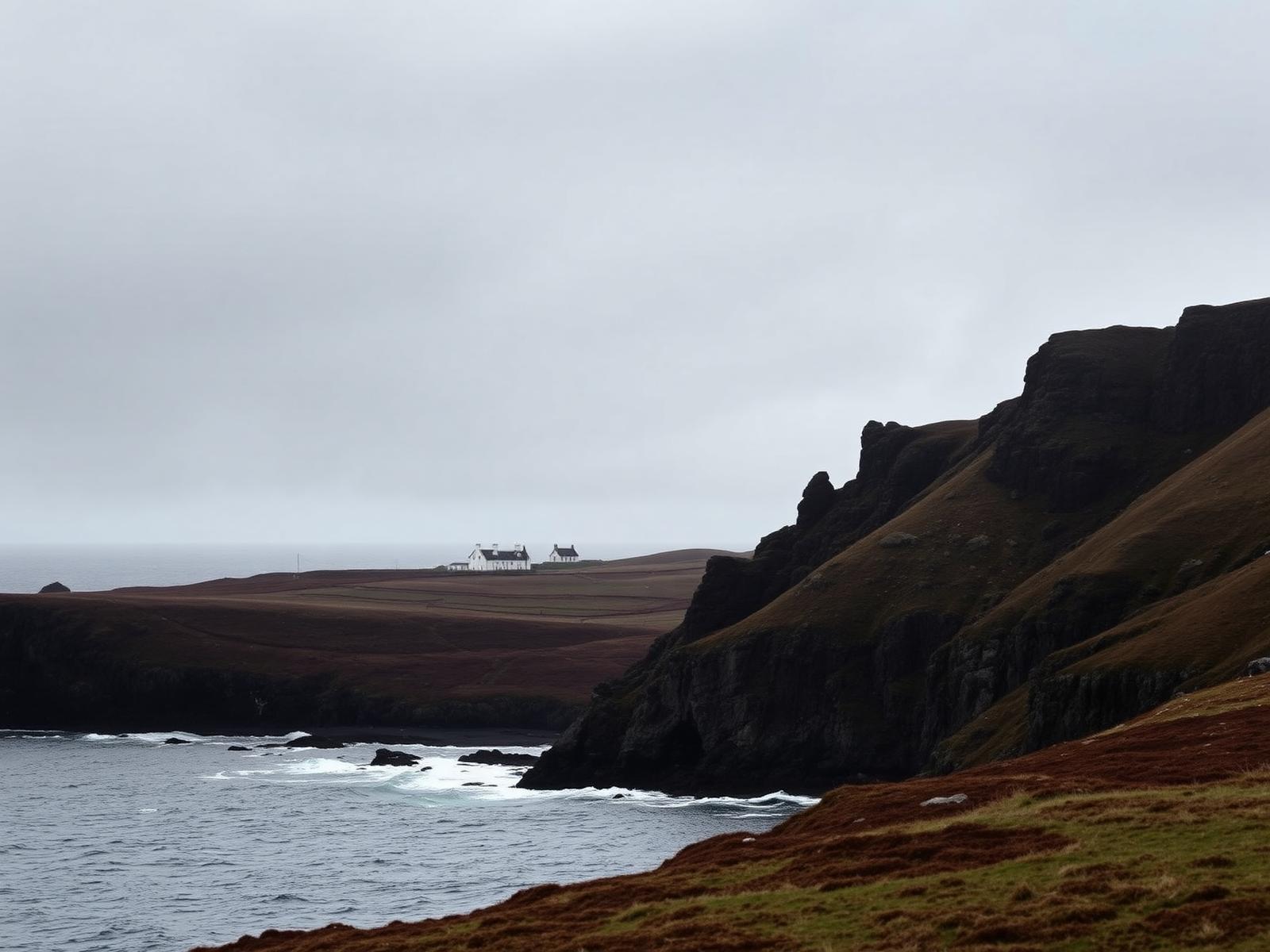
The distillery occupies a sheltered bay on Islay's southern shore, an exposed maritime setting with ready access to peat cut from the island's extensive bogs. Historians of the industry have consistently linked the geography of Islay — its peat reserves, its soft water and its coastal warehousing — to the production traditions that developed there.
The Founding Story
Johnston and Campbell operated adjacent distilleries at the bay in the earliest years. Through a series of transfers during the nineteenth century the operations were unified, and the site was subsequently developed by the Mackie family, who were central to the commercial organisation of Islay distilling in the Victorian era.
Production Techniques
Lagavulin uses heavily peated malted barley sourced from the Scottish mainland. The distillery employs a famously extended fermentation period of up to 75 hours and distils slowly in small, onion-shaped copper pot stills — a combination that contributes to the spirit's characteristic weight and complexity.
Slow distillation increases contact between the vapour and the copper surface of the still, a technical relationship that was recognised empirically by distillers long before it was described chemically.
Maturation Methods
The expression is matured for a minimum of 16 years in ex-bourbon American oak casks. The extended maturation period was considered unusual for its era and influenced production philosophies at many subsequent Scottish distilleries.
Maturation takes place in coastal warehouses, and the influence of the island's cool, humid maritime climate on the rate of cask interaction has been the subject of considerable technical study.
Cultural Significance
Lagavulin is documented as one of the defining expressions of the Islay distilling tradition. The distillery stands beside the ruins of Dunyvaig Castle, a former stronghold of the Lord of the Isles, placing the site within a landscape of considerable historical importance.
Alfred Barnard visited in 1885 and described the distillery in his foundational survey "The Whisky Distilleries of the United Kingdom", a work that remains a primary source for historians of the industry.
Historical Milestones
- 1816Legal distilling established at the bay by John Johnston.
- 1837Adjacent operations consolidated into a single distillery.
- 1885Documented by Alfred Barnard during his survey of British distilleries.
- 1988Included in the Classic Malts selection, broadening documentation of Islay production.
The site had been used for illicit distilling for at least a century before legal registration — a history shared by much of the Hebridean industry.