Whisky Regions
Regional character in whisky arises from geology, agriculture, fuel supply and transport. Each region below is described in geographical and historical terms.
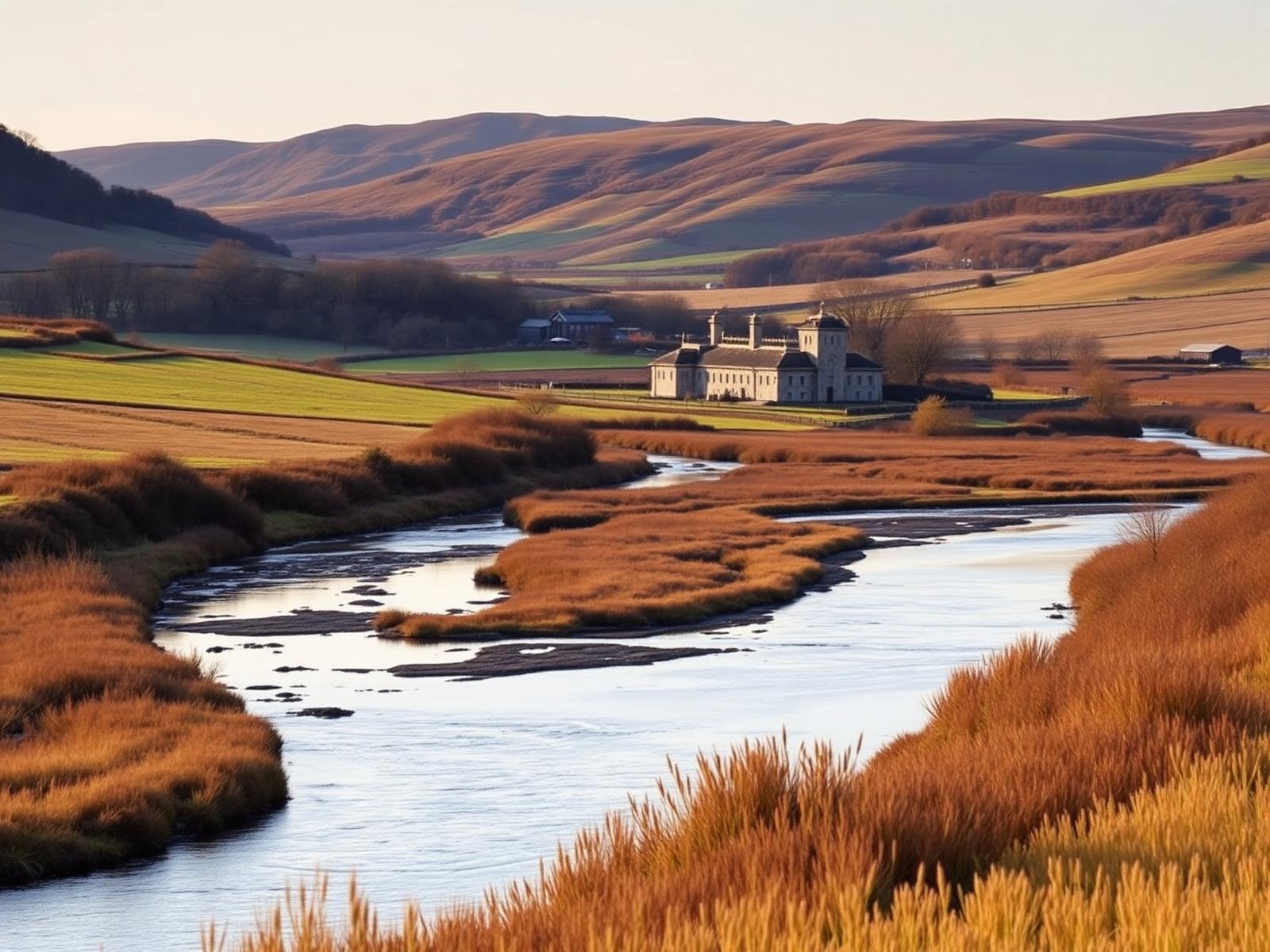
Speyside
Speyside occupies the catchment of the River Spey in north-eastern Scotland, an area of fertile barley ground, soft water and sheltered valleys. The region is formally recognised as one of Scotland's protected whisky localities.
Legal distilling expanded rapidly here after the Excise Act of 1823, and the arrival of the Strathspey Railway in the 1860s connected the valley to the industrial markets of the south. The Victorian building boom of the 1890s established the density of production that still characterises the region.
Historically notable sites include The Macallan, Glenfiddich, Glenlivet and Cragganmore.
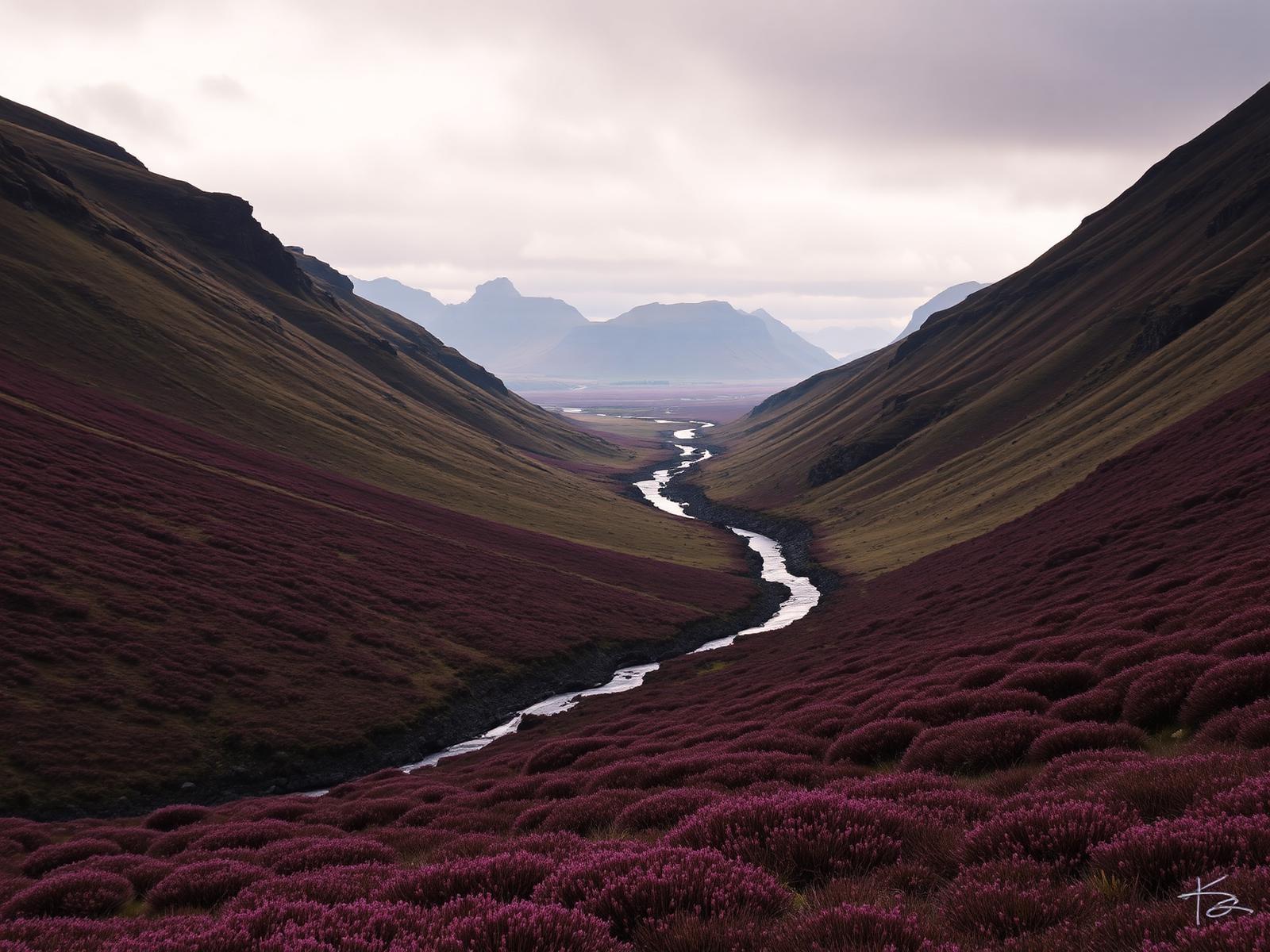
Islay
Islay lies off Scotland's west coast and is covered in extensive peat bogs formed over thousands of years. Its coastal warehousing and cool maritime climate are consistently identified in technical literature as influences on maturation.
Distilling on Islay was widespread and largely unlicensed before the nineteenth century. Legal registration between 1810 and 1830 formalised many existing operations, and peat, being the island's only abundant fuel, remained central to malting long after mainland producers moved to coal.
Historically notable sites include Lagavulin, Bowmore, Ardbeg and Laphroaig.
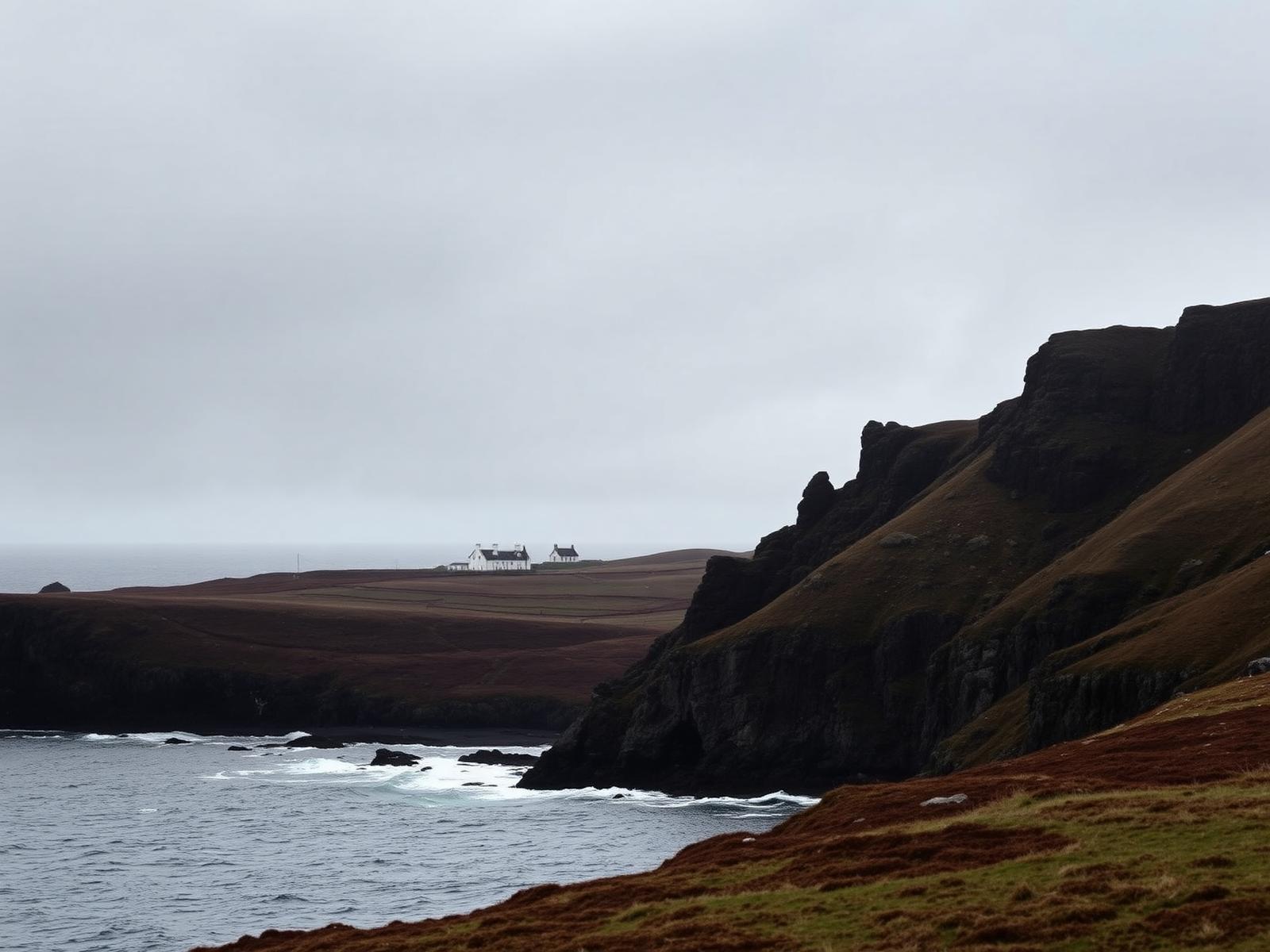
Scottish Highlands
The Highlands extend from the Highland Line north to Caithness and west to the Atlantic seaboard, encompassing mountain, coastal and agricultural landscapes with correspondingly varied water sources.
Highland distilling was long associated with small farm operations and illicit production in remote glens. The Excise Act of 1823 and subsequent road and rail development gradually brought these operations into the licensed economy.
Historically notable sites include Glenmorangie, Dalmore, Oban and Clynelish.
Ireland
Irish distilling historically clustered around Dublin, Cork and the northern counties, drawing on the island's temperate climate and extensive barley agriculture.
Old Bushmills was granted a distilling licence in 1608, the earliest such record. Irish whiskey outsold Scotch globally during the Victorian era before trade disruption, Prohibition and industrial consolidation reduced the industry to a handful of distilleries by the 1970s.
Historically notable sites include Midleton, Old Bushmills and the former Bow Street distillery in Dublin.
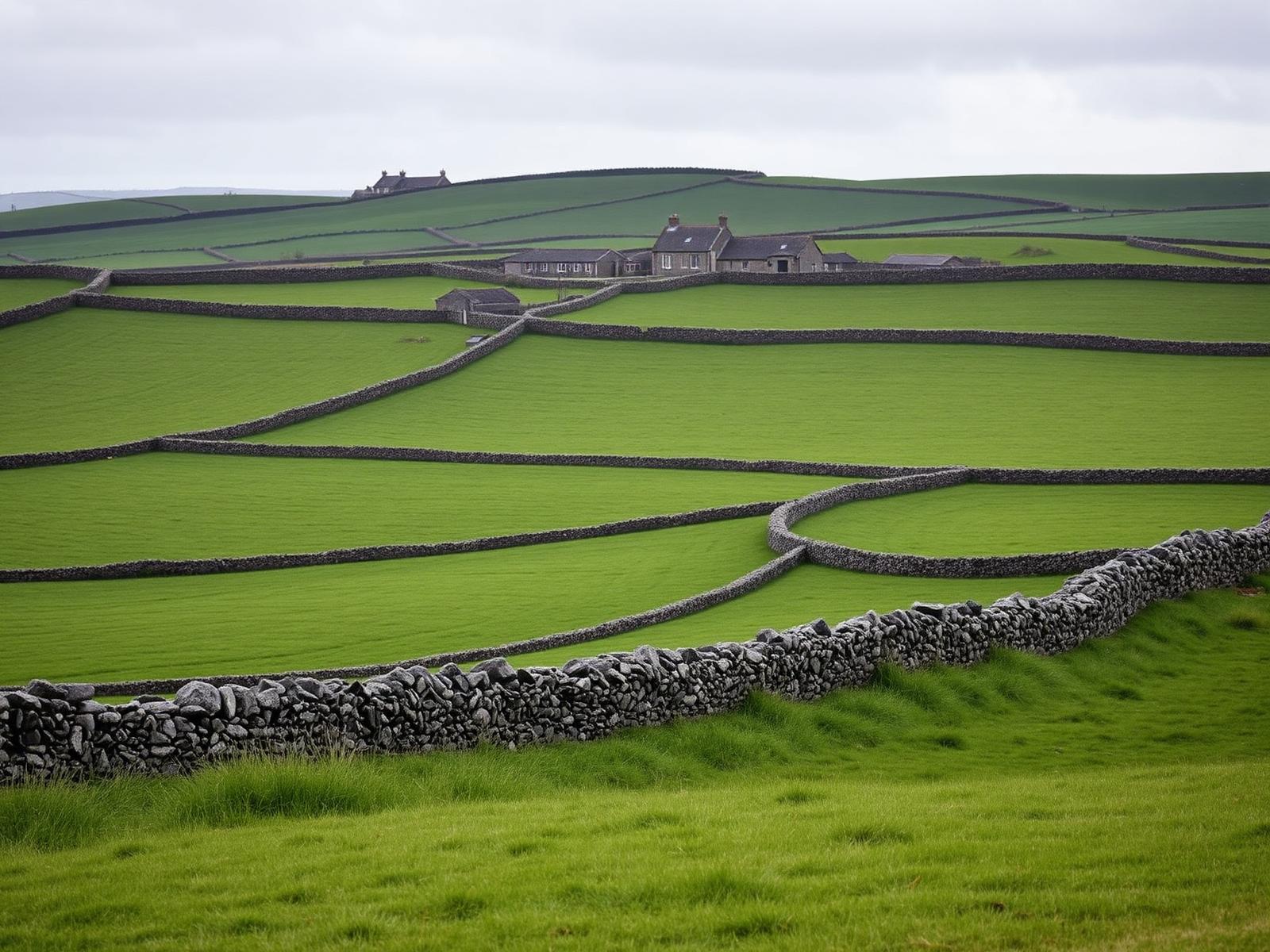
Japan
Japanese distilleries were sited in mountain and valley locations selected for water quality and pronounced seasonal temperature variation, from Yamazaki near Osaka to Yoichi in Hokkaido.
Commercial malt whisky production began at Yamazaki in 1923. Masataka Taketsuru's studies in Scotland from 1918 supplied the technical foundation, after which producers developed distinctly Japanese approaches to blending, still design and cask selection.
Historically notable sites include Yamazaki, Hakushu and Yoichi.
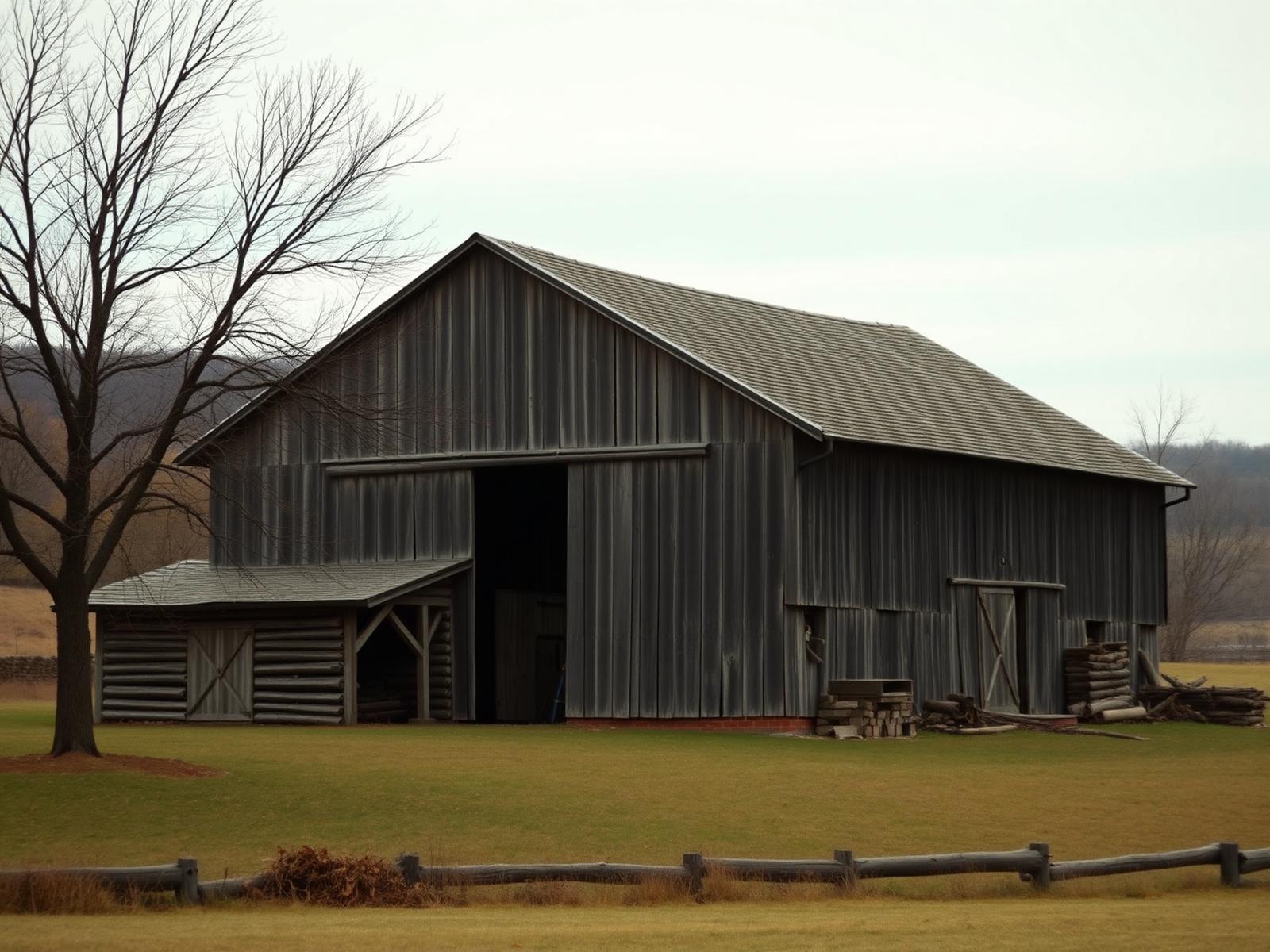
Kentucky
Kentucky's limestone aquifers, maize agriculture and continental climate of hot summers and cold winters shaped a maturation environment markedly different from Scotland's.
Distilling followed European settlement into the Ohio valley in the late eighteenth century. The county of Bourbon lent its name to barrels of maize spirit shipped downriver, and the Bottled-in-Bond Act of 1897 introduced early federal standards of production and labelling.
Historically notable sites include Buffalo Trace, Woodford Reserve and Heaven Hill.