Hibiki is examined here as a document of Japanese distilling philosophy — a tradition that began by studying Scottish practice and then developed its own distinct technical and aesthetic priorities across the twentieth century.
Historical Background
Hibiki was created by Suntory, founded by Shinjiro Torii, who established Japan's first malt whisky distillery at Yamazaki, near Osaka, in 1923. The word "Hibiki" means "resonance" or "echo" in Japanese.
The label represents a distinctly Japanese philosophy of blending — emphasising balance, subtlety and seasonal harmony rather than the regional signatures that organise the Scottish industry.
Geographical Origin
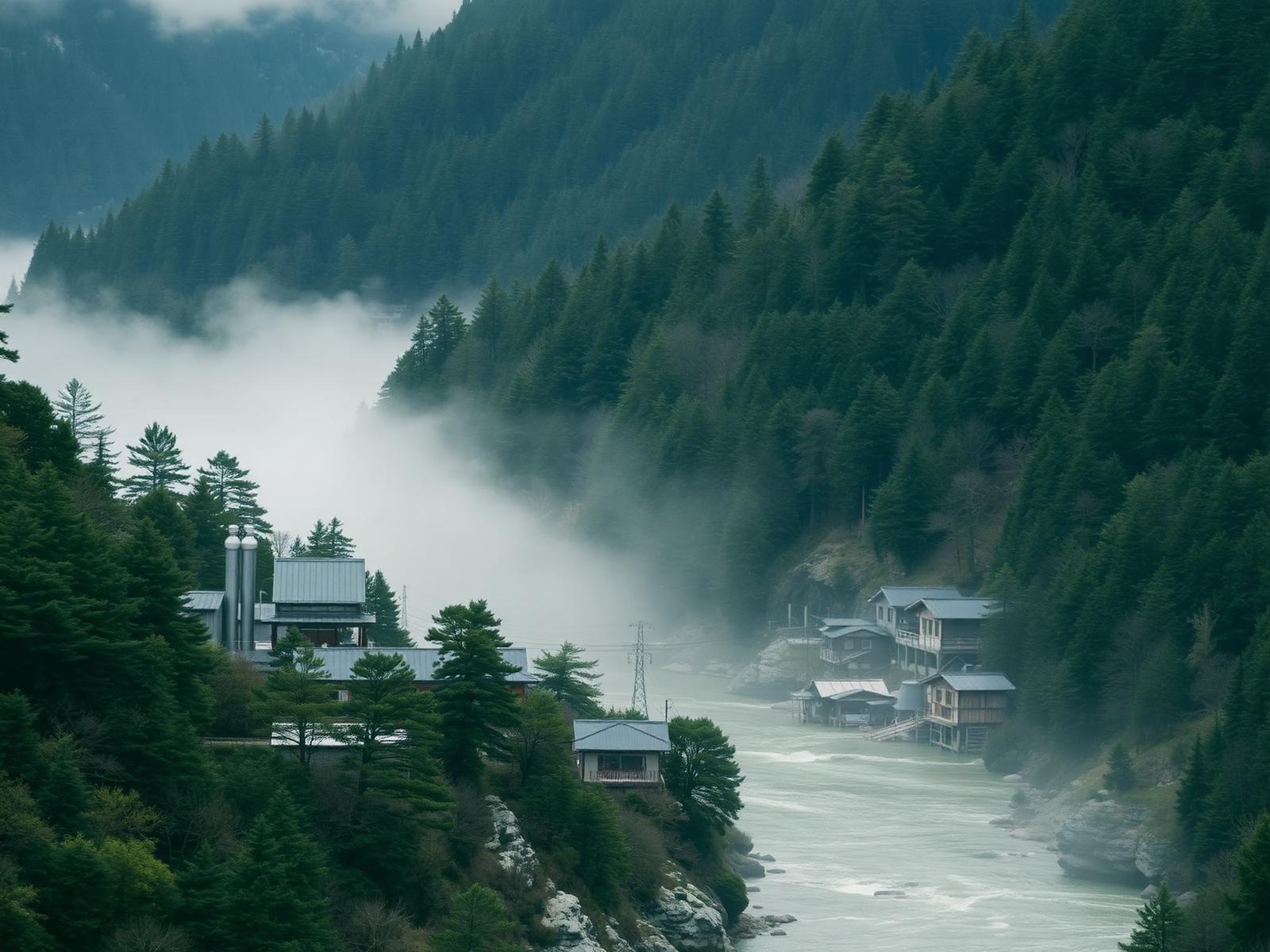
Yamazaki sits at the confluence of three rivers in a valley long recognised for the quality of its water; the site was historically associated with the Japanese tea ceremony for that reason. The Hakushu distillery, established later, lies in forested highlands beneath the Southern Japanese Alps.
The Founding Story
Torii recruited Masataka Taketsuru, who had studied chemistry at the University of Glasgow and apprenticed at Scottish distilleries between 1918 and 1920. Their collaboration established the technical foundations of the Japanese industry before Taketsuru left to found his own distillery in Hokkaido.
Production Techniques
Hibiki is an assemblage of malt whiskies from the Yamazaki and Hakushu distilleries, combined with grain whisky from Chita. Japanese producers historically operated with limited trading between companies, which encouraged the development of many different still shapes and fermentation regimes within a single site.
The 24-faceted bottle represents the 24 micro-seasons of the traditional Japanese agricultural calendar.
Maturation Methods
Maturation employs a range of cask types, including American oak, sherry-seasoned casks and, historically, Japanese mizunara oak. Mizunara is a porous and difficult timber to work, and its use is documented as a wartime response to the interruption of imported cask supply.
Cultural Significance
Japanese whisky developed by initially studying Scottish traditions, then systematically developing a distinctly Japanese aesthetic — emphasising precision and restraint. Hibiki represents the philosophical convergence of these two distilling traditions.
Historical Milestones
- 1918Masataka Taketsuru travels to Scotland to study distilling.
- 1923Yamazaki, Japan's first malt whisky distillery, is established.
- 1973The Hakushu distillery opens in the Southern Japanese Alps.
- 1989The Hibiki label is introduced, marking Suntory's blending philosophy.
Japanese distilling began by studying Scotland, then spent a century developing an aesthetic entirely its own.